
Bridging Accessibility with AI and Multi-Modal Design
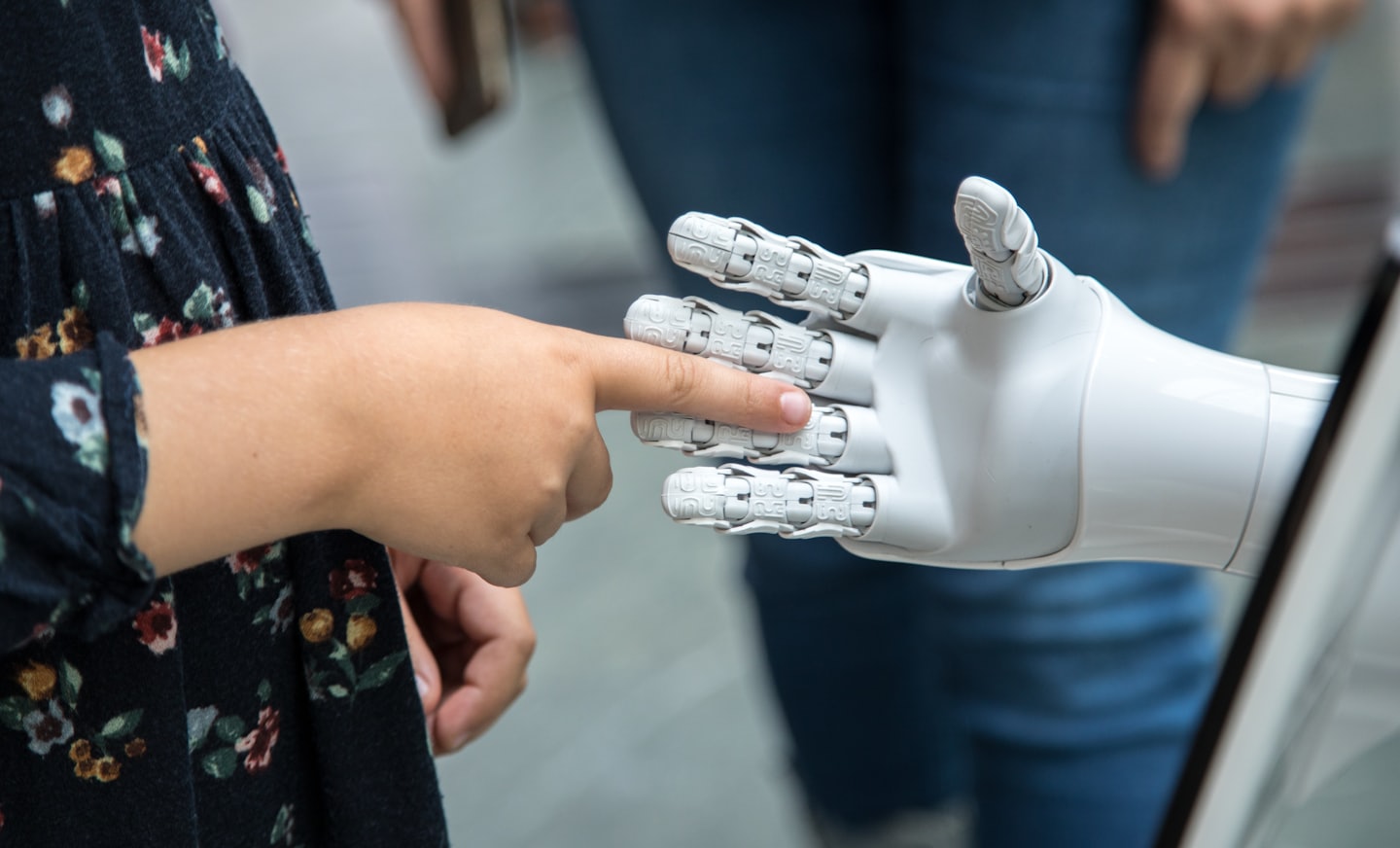
Using human-centered design principles, I’m investigating how emerging technologies could be used to reduce barriers faced by blind or visually impaired individuals.

Kyle Creighton
Senior Information Systems & Business Analytics Student
Throughout my time at Le Moyne, I’ve had the opportunity to explore an array of topics such as artificial intelligence, human-computer interaction, data science, machine learning, cloud computing, database management, and many more. As I conclude my undergraduate education, I’m now researching how emerging technologies could be used to create more effective assistive technologies.
Seeing Through Technology: Enhancing Accessibility with AI and Multi-Modal Design
This project employs a qualitative approach to explore the challenges encountered by blind and visually impaired individuals and to gather insights on how emerging technologies can address these issues. Drawing from these insights, a prototype will be developed that aligns with user needs and incorporates relevant design principles, including Multiple Resource Theory (Wickens, 2008).

Multi-Modal Design
Creating user-centric interfaces that dynamically adjust to individual accessibility needs, and can communicate information using haptic, auditory, or visual cues.

Human Centered Approach
Actively involving stakeholders in the design process through participatory design enables iterative feedback and results in technologies that effectively address community challenges.

Emergent Tech Research
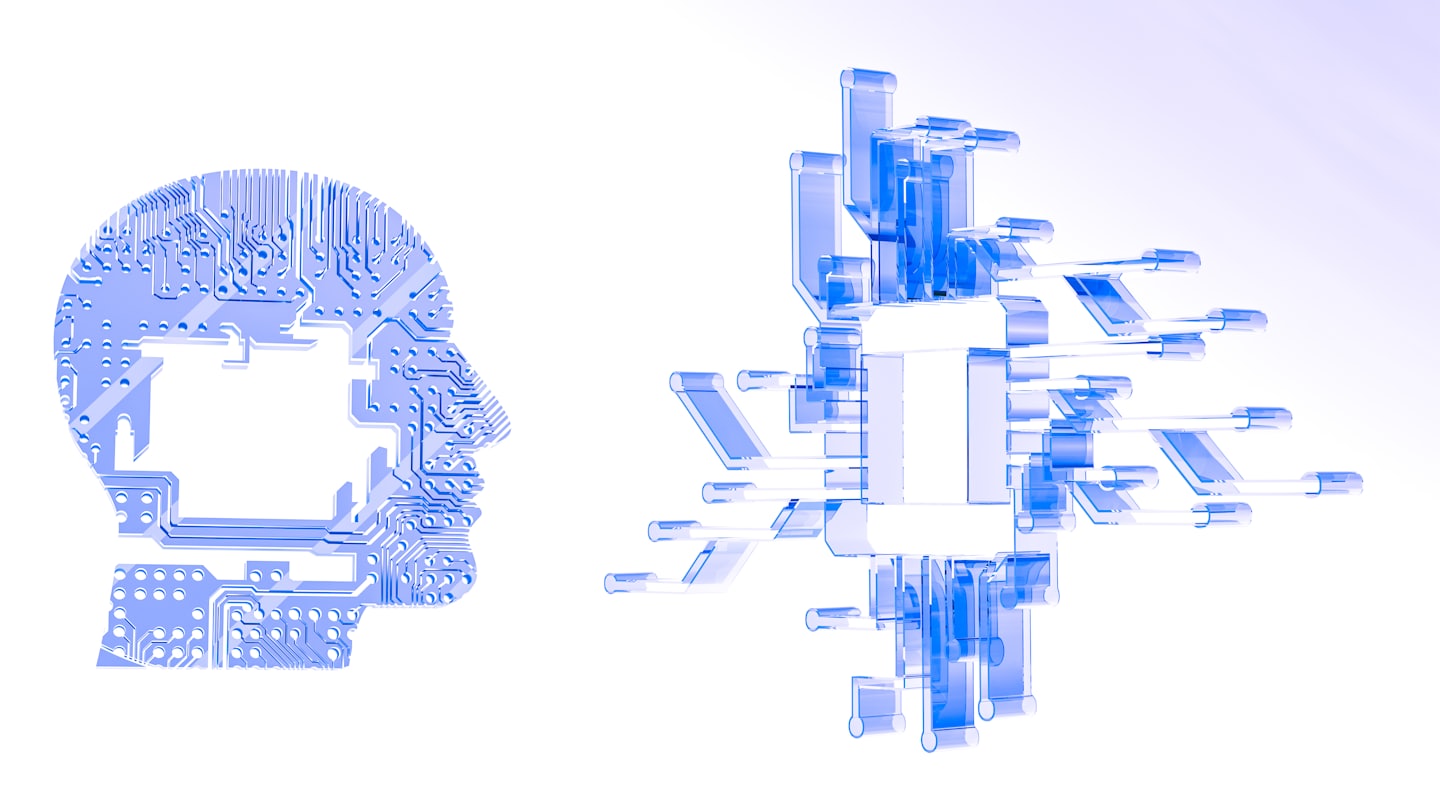
Investigating novel applications of AI and other emerging technology to bridge gaps in accessibility and interaction.
Building Accessible Technology through Human-Centered Design
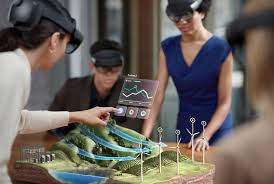
Emerging technologies such as AI, AR, and Cloud Computing offer powerful opportunities to enhance assistive technology. My work uses an ethnographic approach to gather design insights, with the goal of developing a prototype that effectively addresses the challenges faced by the community.


Contact Me